 Admin
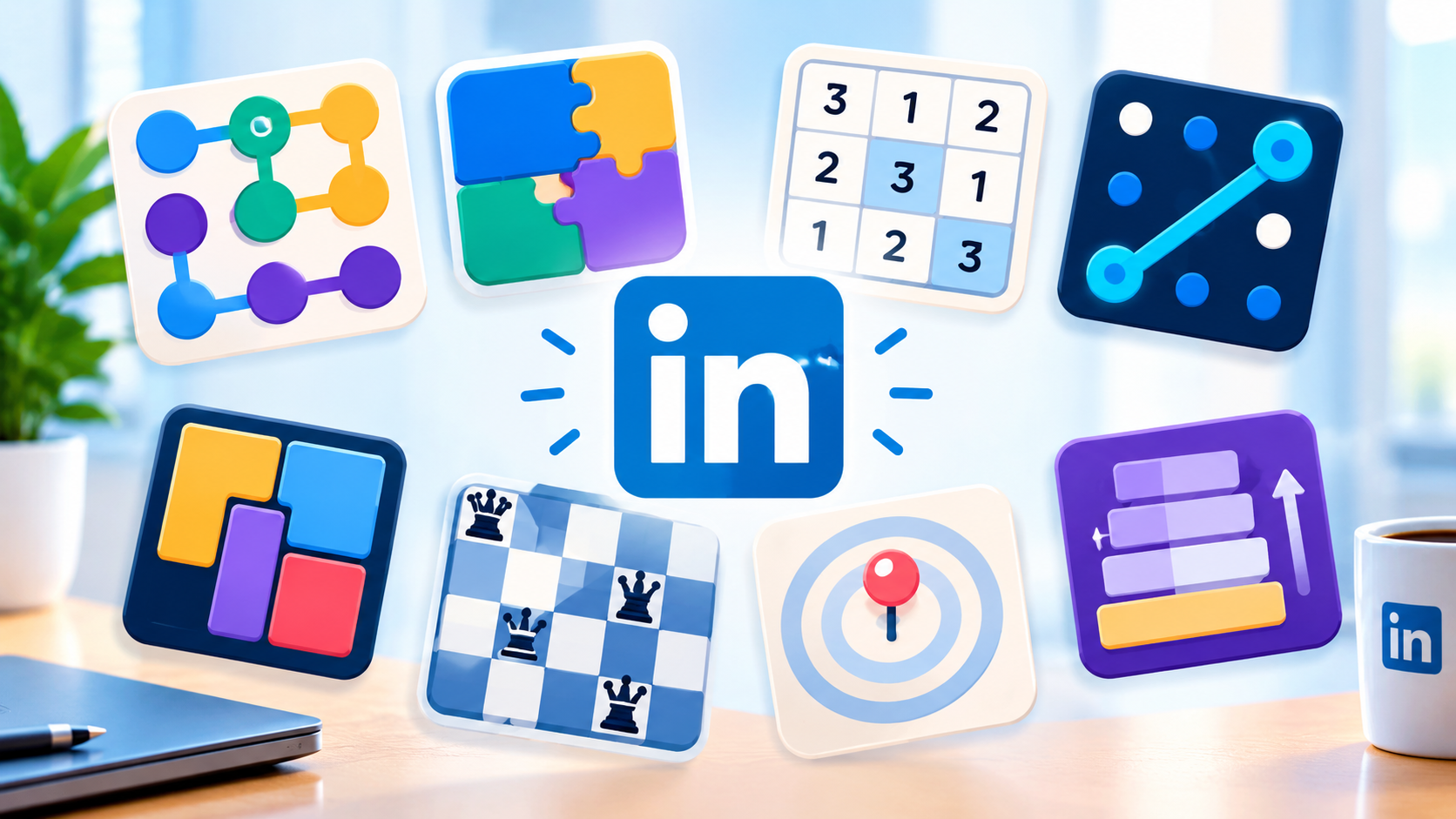
If you think LinkedIn is only a place for professional networking, job searching, and sharing career updates, there is something interesting you may have missed. LinkedIn Games have become a fun way for users to take a short break from their professional routines while still staying connected with the platform.
Unlike traditional gaming platforms, LinkedIn games are generally designed around quick challenges, puzzles, and daily activities. They can be completed in a short amount of time, making them suitable for people who want a little entertainment without spending hours playing.
This guide explains what LinkedIn Games are, how they work, what types of games users may encounter, and why these small games have become an interesting part of the LinkedIn experience.
What Are LinkedIn Games?
LinkedIn Games refers to the collection of games and interactive puzzles available through LinkedIn. The idea is simple: instead of leaving a professional networking platform whenever you want a quick mental break, you can participate in a short game directly within the LinkedIn environment.
These games are usually designed to be easy to understand. You do not normally need gaming experience, expensive hardware, or a separate gaming account.
The focus is often on quick thinking, logic, vocabulary, patterns, and problem-solving. Because the games can usually be completed relatively quickly, they fit naturally into short breaks during the day.
Why Did LinkedIn Introduce Games?
LinkedIn has traditionally focused on professional activities such as networking, recruiting, job searches, learning, and business communication. Adding games may seem unusual at first, but there is a practical reason behind the idea.
Short games can encourage users to return to a platform regularly. A daily puzzle can become a small routine, similar to checking notifications or reading new posts.
Games can also create opportunities for social interaction. When users compare their results or discuss a puzzle with colleagues and friends, the activity becomes more engaging than simply playing alone.
The concept also gives LinkedIn a more casual side without changing its primary professional purpose.
How Do LinkedIn Games Work?
LinkedIn Games are generally designed around simple gameplay mechanics. You may be presented with a puzzle or challenge and asked to complete it according to a specific set of rules.
The exact experience can vary depending on the game available to you and the version of LinkedIn you are using.
A typical experience may involve:
- Opening LinkedIn on a supported device.
- Finding the games or puzzle section.
- Selecting a game.
- Reading the instructions.
- Completing the daily challenge.
- Checking your result or score.
- Sharing or discussing the experience with others when available.
The biggest attraction is that the games are intended to be quick. You can play one during a coffee break, between tasks, or whenever you want to refresh your mind.
Popular Types of LinkedIn Games
Different games can focus on different mental skills. Rather than expecting complicated graphics or long storylines, LinkedIn Games generally emphasize short-form challenges.
| Game Type | Main Skill | Typical Experience |
|---|---|---|
| Word Puzzles | Vocabulary | Finding or connecting words |
| Logic Games | Reasoning | Solving problems using logic |
| Pattern Challenges | Observation | Identifying sequences or patterns |
| Strategy Puzzles | Planning | Choosing the best possible move |
| Daily Challenges | Consistency | Completing a new challenge regularly |
The appeal of these games comes from their simplicity. You can understand the basic objective quickly and start playing without a lengthy tutorial.
Benefits of Playing LinkedIn Games
Although games are primarily meant for entertainment, short puzzles can provide several useful benefits.
1. A Quick Mental Break
Professional work can become repetitive, especially when you spend many hours reading emails, attending meetings, or working on documents.
A short puzzle can provide a change of activity. Instead of scrolling endlessly through social media, you can spend a few minutes solving something.
2. Problem-Solving Practice
Logic and puzzle games require you to examine information and make decisions. This can make them an enjoyable way to practice problem-solving.
The experience is not a replacement for formal learning, but solving challenges can encourage analytical thinking.
3. Social Interaction
One interesting aspect of LinkedIn Games is the professional environment around them. You may be able to discuss a difficult puzzle with coworkers or other connections.
This can create conversations that are less formal than typical professional discussions.
4. Easy to Access
Traditional games sometimes require downloads, installations, controllers, or powerful hardware. Browser-based or integrated puzzle experiences can be much simpler.
This makes short LinkedIn games convenient for users who do not consider themselves gamers.
LinkedIn Games vs. Traditional Games
LinkedIn Games are quite different from traditional video games. The biggest difference is the purpose and length of the experience.
Traditional games can involve large worlds, detailed graphics, multiplayer systems, campaigns, and hundreds of hours of gameplay.
LinkedIn’s puzzle-oriented approach is much more focused.
Here is a simple comparison:

| Feature | LinkedIn Games | Traditional Video Games |
|---|---|---|
| Session Length | Usually short | Can be short or very long |
| Main Focus | Puzzles and mental challenges | Entertainment and gameplay |
| Hardware | Usually simple access | May require gaming hardware |
| Learning Curve | Generally low | Can range from easy to complex |
| Professional Environment | Yes | Usually no |
| Daily Challenges | Common concept | Depends on the game |
For someone looking for a quick distraction rather than a full gaming experience, LinkedIn Games can be a convenient option.
Are LinkedIn Games Good for Your Brain?
Puzzle games can encourage certain types of mental activity, such as remembering information, recognizing patterns, calculating possibilities, and making decisions.
However, it is important not to exaggerate the benefits. Playing a small puzzle does not automatically make someone more intelligent or improve every cognitive skill.
The better way to think about these games is as enjoyable mental exercises. They can make a short break more engaging while giving your brain something different to focus on.
How LinkedIn Games Can Fit Into Your Workday
One of the biggest advantages of short games is that they do not necessarily require a major time commitment.
For example, you could play a quick puzzle:
- During a short break.
- After completing an important task.
- Before starting a new project.
- During a lunch break.
- When you need a few minutes away from work.
The key is moderation. A short game can be refreshing, but spending too much time on entertainment during working hours can reduce productivity.
Tips for Getting Better at LinkedIn Games
If you want to improve your performance, start by understanding the rules rather than rushing into the challenge.
Read the Instructions Carefully
Many puzzle mistakes happen because players misunderstand the objective. Take a few seconds to understand what the game is asking you to do.
Look for Patterns
If you are playing a logic or pattern-based challenge, avoid making random choices. Look for relationships between the available pieces, words, numbers, or symbols.
Practice Regularly
If the platform provides recurring challenges, playing regularly can help you become familiar with the game’s mechanics.
Do Not Overthink Simple Problems
Sometimes the easiest answer is the correct one. If you become stuck, take a moment to step back and look at the puzzle from a different perspective.
Are LinkedIn Games Free?
Whether a particular game or feature is available to you can depend on LinkedIn’s current product experience, region, account, and platform.
Users should check their LinkedIn interface to see which games are currently available to them. Features on large platforms can also change over time, so an option available to one user may not necessarily appear for everyone.
It is also worth using the official LinkedIn website or app when accessing your account rather than relying on unknown third-party websites claiming to provide LinkedIn games.
Why People Enjoy LinkedIn Games
The popularity of short-form puzzles comes from their low commitment.
You do not need to spend an entire evening playing. A small challenge can be completed quickly and still provide a sense of achievement.
There is also something satisfying about improving your performance. Once you understand a puzzle’s mechanics, you may want to return and see whether you can solve it faster or make fewer mistakes.
For professionals, this combination of productivity and entertainment can be especially appealing.
Frequently Asked Questions About LinkedIn Games
1. What are LinkedIn Games?
LinkedIn Games are short interactive games and puzzles associated with the LinkedIn platform. They are designed to provide users with quick entertainment and mental challenges while they are using the professional networking service.
2. Can I play LinkedIn Games on my phone?
Availability can depend on LinkedIn’s current features and your device or account. If games are available for your account, you can generally access them through the LinkedIn mobile experience or supported web interface.
3. Do LinkedIn Games require a separate gaming account?
The experience is designed around LinkedIn, so users generally do not need a separate traditional gaming account simply to use a LinkedIn-based game feature.
4. Are LinkedIn Games useful for professionals?
They can be useful as a short recreational break. Some puzzle formats also encourage skills such as logical thinking, pattern recognition, and problem-solving, although they should not be considered a replacement for professional training.
5. How long does it take to play a LinkedIn Game?
Many short-form puzzle experiences are designed to be completed quickly. The exact amount of time depends on the particular game and how quickly you solve the challenge.
6. Are LinkedIn Games the same as normal video games?
No. LinkedIn Games are generally focused on quick puzzles and challenges rather than the large worlds, long campaigns, advanced graphics, and complex gameplay commonly associated with traditional video games.
Final Thoughts
LinkedIn Games add an interesting and more casual element to a platform that is traditionally associated with careers, networking, and professional development. Instead of spending a long time on a conventional video game, users can enjoy a quick puzzle and then return to their normal activities.
The biggest advantage is convenience. Short games can fit naturally into a break without requiring complicated downloads or gaming equipment. They can also provide a fun way to challenge your thinking and start conversations with other people.
If you use LinkedIn regularly, checking the games or puzzle features available on your account can be a simple way to make your daily experience a little more engaging. Just remember to keep entertainment balanced with your professional goals and responsibilities





Comments are closed.